Diagnostics & Check Engine
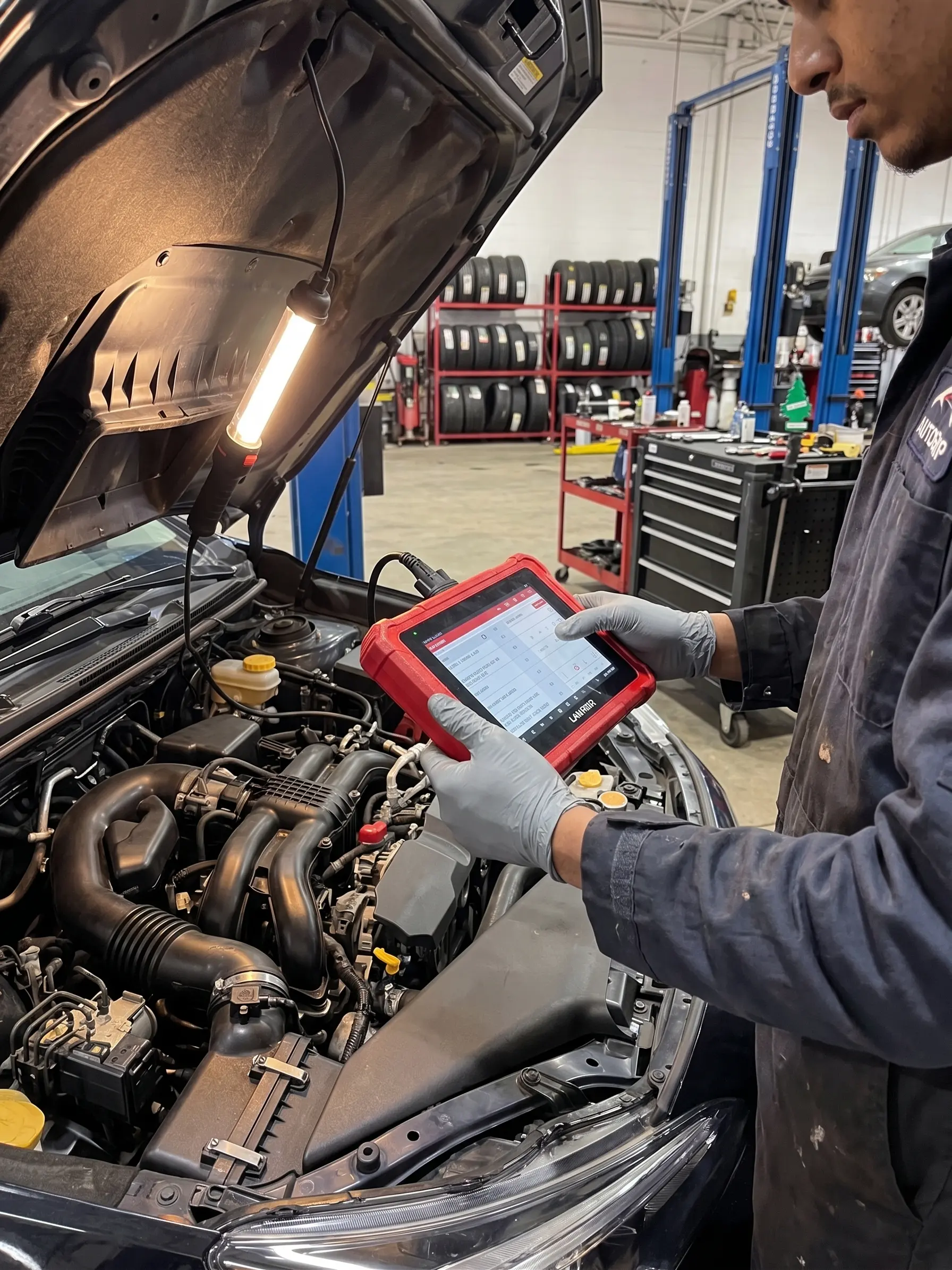
Scan-tool diagnosis of warning lights, rough running, and electrical faults. We find the actual problem and explain it in plain language before any work starts, not after.
What’s Included
- Full OBD-II scan with live sensor data, not just a code readout
- Check engine, ABS, airbag, and TPMS light diagnosis
- Rough idle, misfire, hesitation, and stalling troubleshooting
- Battery, charging system, and electrical fault tracing
- Written explanation of the actual cause before any repair is authorized
What It Covers
A check engine light can mean dozens of different things, from a loose gas cap to a failing catalytic converter. Plugging in a scan tool and reading the stored trouble code is the easy part; the code only points at a system or a symptom, it doesn't tell you which part actually failed. We pull the code, then confirm the real cause with live data, freeze-frame readings, and physical testing before we tell you what's wrong.
The same process covers rough idle, hesitation, stalling, and no-start complaints that don't always trigger a warning light. We compare what the engine is actually doing against factory specifications to isolate the failing sensor, wire, or component instead of guessing and swapping parts.
Signs To Watch For
- Check engine light on steady, or flashing
- Engine hesitates, stumbles, or dies at idle or stop signs
- Noticeable drop in fuel economy for no obvious reason
- Rough, uneven, or surging idle
- Car won't pass an emissions or out-of-province safety inspection
Why It Matters
A steady check engine light is often something minor. A flashing one usually means an active misfire that's dumping unburned fuel into the catalytic converter, which can overheat it and turn a sensor-and-spark-plug repair into a much more expensive exhaust repair. The difference matters, and it's one of the first things we check.
Diagnosing the actual fault before replacing parts also saves money in the long run. Trouble codes get misread as a straight parts swap all the time; a code for a bad oxygen sensor reading, for example, can just as easily be caused by a vacuum leak or a wiring fault upstream of the sensor itself.
Our Approach
We read the code, pull live data, and test the suspect component before we recommend anything. You get a plain-language explanation of what we found and a clear price before we touch the car, not a parts list you have to decode yourself.
Frequently Asked Questions
Is it safe to keep driving with the check engine light on?
A steady light usually isn't an emergency, but it should be looked at soon. A flashing light means stop driving and get it checked as soon as you reasonably can, it usually points to an active misfire that can damage the catalytic converter the longer it runs.
Does a check engine light always mean an expensive repair?
No. It's just as often something minor like a loose or failing gas cap, a vacuum leak, or a single sensor. We confirm the actual cause before quoting anything, so you're never paying to guess.
How long does a diagnostic take?
Most are done same-day. Walk-ins are welcome, or call ahead to book.
Will I know the price before you start any repair?
Yes. We explain what we found and give you a clear price before any work starts, every time.
Send Us A Message
Book Diagnostics & Check Engine or ask a question about it. Prefer to talk? Call us!
Call Now: (403) 764-1004Related Services

Engine & Transmission
Timing components, gaskets, mounts, clutch, and driveline repair by experienced techs.
Learn More about Engine & Transmission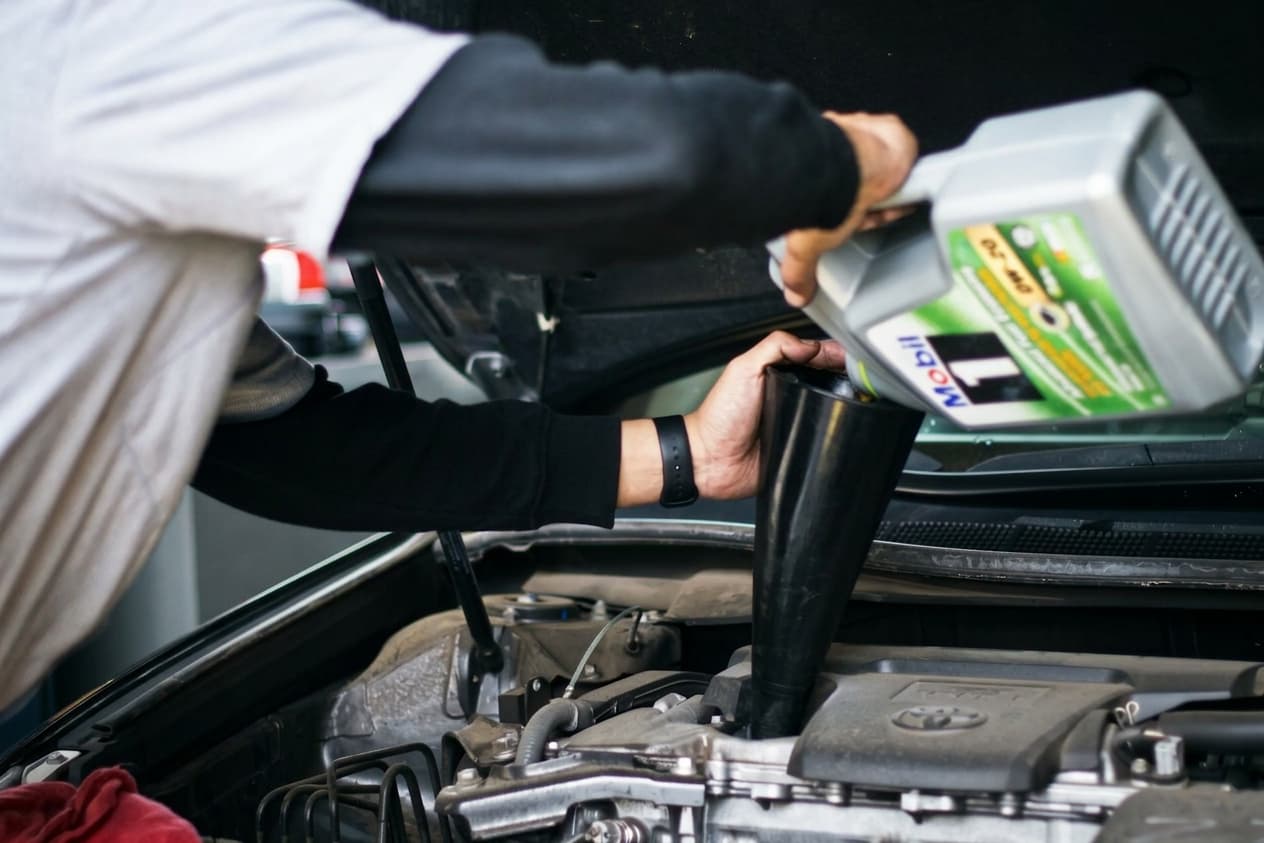
Oil & Fluid Services
Conventional and full-synthetic oil changes, plus coolant, transmission, and differential fluids.
Learn More about Oil & Fluid Services
Tires & Alignment
Tire mounting, balancing, rotations, and wheel alignments so your car tracks straight and wears evenly.
Learn More about Tires & AlignmentLooking for a vehicle instead? Browse our inventory.
Browse Inventory